

Kodak Pro Image 100 Review! Now available in the USA!
Today, I review Kodak’s Kodak Pro Image 100 film! This film is now shipping from US distributors! Read more!

Kodak Pro image 100
Review and Film Scans
In 2018 it was recommended that I try a Kodak stock that I had never heard of, Kodak Pro Image 100! The only caveat was that it was available only in Europe. No big deal, however, as there were numerous eBay sellers shipping internationally. So, I had placed my first order for a new, inexpensive “Pro” stock to try out.
I had done a bit of research on this stock prior and had come across a few stunningly warm and vibrant images on Instagram. Needless to say, I was excited for what was in store.
Warner Brothers Studios backlot, LA
Contax T3
Kodak Pro Image 100
Warner Brothers Studios backlot, LA
Contax T3
Kodak Pro Image 100
THE EXPERIENCE:
Kodak Pro Image 100 is a very fine grain stock, and I was excited to try something that was a step up from the Kodak Gold lines. I don’t really haven’t found any real negatives about this film other than wishing that Kodak had released an ASA 400 version for a bit more flexibility. ASA 100 is pretty limiting once the sun drops below the horizon, but for everything else during the day it’s a wonderful replacement to Kodak Golds 100, 200, and 400 stock.
Cahuenga Blvd, Los Angeles, CA.
Contax T3
Kodak Pro Image 100
SHOOTING KODAK PRO IMAGE 100:
One of the most frequently asked questions with film stocks is how the film handles overexposure or underexposure. This is one area that Pro Image 100 is a bit sensitive. This stock doesn’t like too much overexposure nor underexposure. I’ve found that rating the film at box speed (ASA 100) will yield you the best results in terms of color and tonality balance. When overexposed, the highlights and whites seem to burn out and break at least a few stops shorter than the Portra 400 and Fuji 400H stocks. Underexposure will, of course, lift grain levels and shots are very difficult to recover during scanning. These are the ONLY negatives that I’ve experienced shooting and scanning Kodak’s Pro Image 100 stock. Otherwise, it’s a fantastic film for professional, casual, and travel work. More below…
Morrison St, North Hollywood, CA
Contax T3
Kodak Pro Image 100
Morrison St, North Hollywood, CA
Contax T3
Kodak Pro Image 100
Malibu, CA
Contax T3
Kodak Pro Image 100
FIRST SCANS:
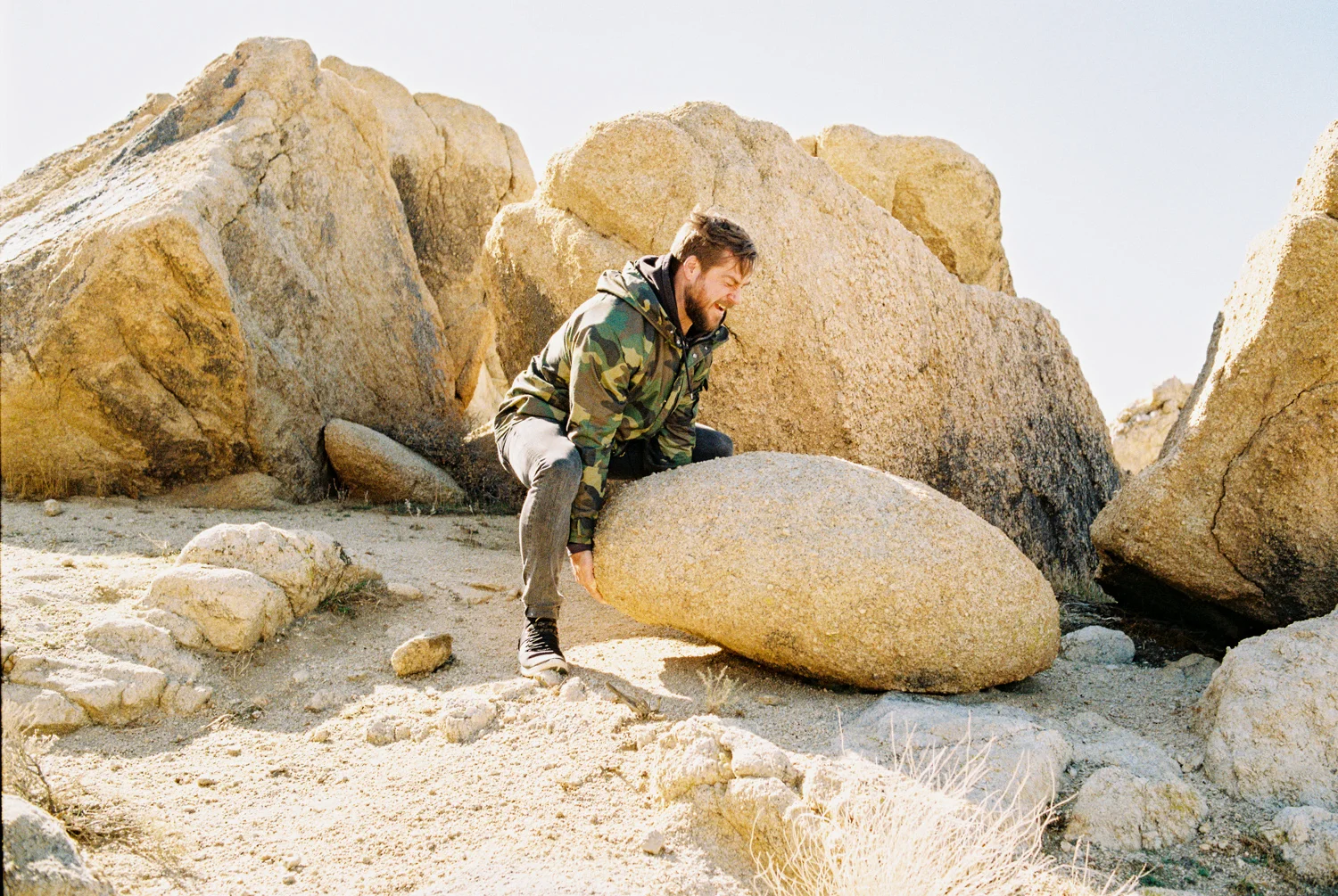
WOW! I’m actually very happy with the results! Kodak Pro Image 100 looks as if it could be the love child between Kodak and Fuji. It adapted Kodak’s warmer looks but with the pastel tones of Fuji’s 400H stock! The stock has taken the best looks about both film manufacturers, and it’s final result is great to admire. Sharp detail and grain seem to play very well for an inexpensive “Pro” film stock. Be sure to expand the images to view them larger.
Cali Deserts
Hexar AF
Kodak Pro Image 100
Cali Deserts
Hexar AF
Kodak Pro Image 100
Cali Deserts
Hexar AF
Kodak Pro Image 100
Cali Deserts
Hexar AF
Kodak Pro Image 100
CONCLUSION:
Kodak Pro Image 100 is likely to be my ongoing travel film of choice. It’s inexpensive, it’s clean, the colors are wonderful, and it’s readily available in the US from B&H Photo for $27.99 USD as of this posting. That’s a big win for us C41 shooters looking to save money but still find quality results from our negatives. So be sure to pick up a pro pack and enjoy the rest of your summer shooting this wonderful stock!
Devil’s Punchbowl, California
Hexar AF
Kodak Pro Image 100
Devil’s Punchbowl, California
Hexar AF
Kodak Pro Image 100
Devil’s Punchbowl, California
Hexar AF
Kodak Pro Image 100
Devil’s Punchbowl, California
Hexar AF
Kodak Pro Image 100
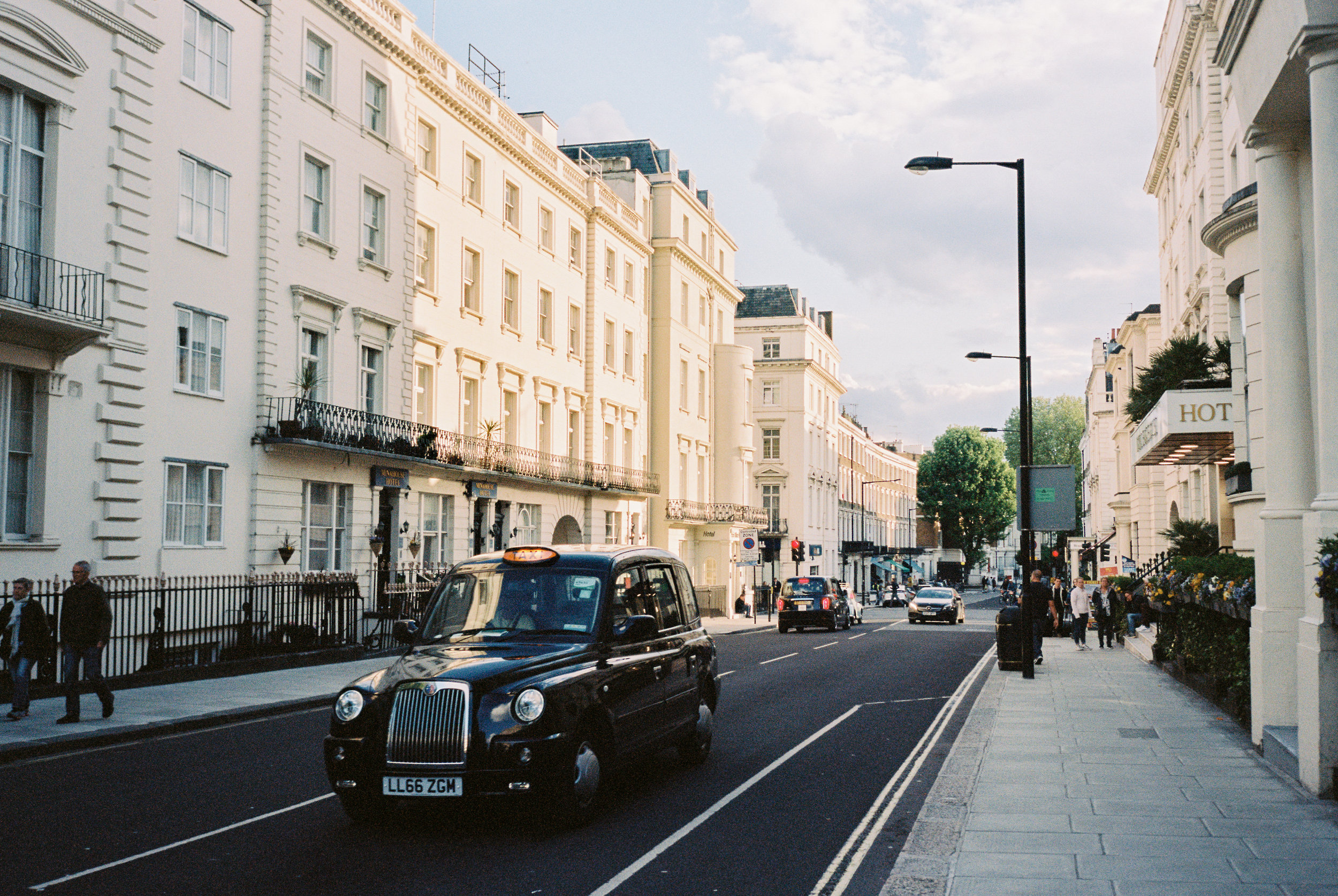
London on Film
Some film images of various parts of London, England.
London on Film
Contax T3 & Olympus Stylus Epic + Portra 160, Portra 400, & Kodak Pro Image 100
Next to NYC London was the most historically rich and fascinating city I’ve experienced. At just over 600 square miles, London has history along every street, buildings, and grounds. We experienced St. Paul’s Cathedral, Westminster Abbey, Kensington Palace, Buckingham Palace, Hampton Court Palace, Tower of London, River Thames, , Covent Garden, Winston Churchill War Rooms, an under-construction Big Ben (still spectacular though), Natural History Museum, Camden Market, Notting Hill, Kensington Gardens — it was a lot to fit in inside a weeks stay but we made it work!
St. Paul’s Cathedral
St. Paul’s Cathedral, London | Olympus Stylus Epic + Kodak Pro Image 100. Scanned on Fuji Frontier SP3000
View of the southwest tower from atop the dome of St. Paul’s Cathedral | Olympus Stylus Epic + Kodak Pro Image 100. Scanned on the Fuji Frontier SP3000
St. Pauls Cathedral has some crazy history. It has caught fire and been destroyed multiple times, lightning destroyed the spire in 1561 A.D., it fell victim to the vikings in 962 A.D., and throughout the centuries its interior and exterior have been expanded time and time again to what it is today. I recommend taking the 528 steps up to the top of the dome to see the entire city of London.
Panoramic view of London from atop St. Paul’s Cathedral Dome. Shot on the X-T20 with the Fujinon 23mm 1.4.
West Minster Abbey
West Minster Abbey | Contax T3 + Portra 400. Scanned on Fuji Frontier SP3000.
West Minster Abbey | Contax T3 + Portra 400. Scanned on Fuji Frontier SP3000.
The Westminster Abbey was one of my favorite places to see and learn about. There is an abundance of historically famous figures buried here such as: Charles Darwin, Isaac Newton, Charles Dickens, and many many other various figures. They didn’t allow photography inside unfortunately so I can only recommend googling more of it’s history.
Kensington Palace, home of Princes Diana and Prince Charles and Queen Victoria’s Jewels
Kensington Palace | Contax T3 + Portra 160. Scanned on Fuji Frontier SP3000.
Kensington Palace | Contax T3 + Portra 160. Scanned on Fuji Frontier SP3000.
QUEEN VICTORIA'S DIAMOND AND EMERALD DIADEM
The Kensington Palace, which resides within Hyde Park, holds a massive collection of crowns and jewels that belonged to members of the royal family such as Queen Victoria and designer Prince Albert. A number of Princess Diana’s dresses are also on display, as well.
Buckingham Palace
Buckingham Palace | Contax T3 + Portra 400. Scanned on Fuji Frontier SP3000.

Buckingham Palace | Contax T3 + Portra 400. Scanned on Fuji Frontier SP3000.
Buckingham Palace | Contax T3 + Portra 400. Scanned on Fuji Frontier SP3000.
Below are some photos of a unique Changing of the Guards, the Horse Guard Parade.
Buckingham Palace | Contax T3 + Portra 400. Scanned on Fuji Frontier SP3000.
Buckingham Palace | Contax T3 + Portra 400. Scanned on Fuji Frontier SP3000.
Buckingham Palace | Contax T3 + Portra 400. Scanned on Fuji Frontier SP3000.
Contax T3 + Portra 400
Olympus Stylus Epic + Portra 160
Contax T3 + Portra 400
Olympus Stylus Epic + Portra 160
Olympus Stylus Epic + Kodak Pro Image 100
Contax T3 + Portra 160
Contax T3 + Portra 160
Contax T3 + Portra 160
Olympus Stylus Epic + Kodak Pro Image 100
Contax T3 + Portra 400
Olympus Stylus Epic + Portra 160. Spot the small plane in the upper-right corner?
Fuji XT20 - Review
My first time using a Fuji X-Series camera…It’s pure joy!
Fujifilm X-T20
In London, U.K.
GEAR:
Lightroom CC + Mastin Labs + VSCO+ iPhone X
Apple Lightning to SD card reader (for downloading and editing RAW files on iPhone)
EXPERIENCE:
I had purchased a used X-T20 body and lens from sellers across the web. The Fujinon 23mm F1.4 came from Forrest Walker (website) whose candid street work is stunning and fascinating to me.
Before our trip to London, I wanted to source a small, mirrorless travel camera to pair with my compact 35mm film cameras (Olympus Stylus Epic and Contax T3). The older model X-T20 seemed like a good fit (no pun intended) — so that was where I started. This was also my first time stepping away from Canon DSLRs as my travel digital camera…and that excited me to say the least.
First off, I was torn between the Fujifilm X-E3 and the X-T20. I liked the rangefinder style and aesthetics of the X-E3 more, but the flip out screen of the X-T20 ultimately won me over. I enjoy handling and shooting the X-T20 just as much as I like processing its raw files. Gripping the body of the camera feels just like old film cameras from decades ago. Fuji really dominated it with the stylish looks and feel of their X-Series lineup. It’s a complete 180º from how it feels to handle a Canon DSLR. Shooting with the X-T20 packs fun and excitement into shooting everyday events…and even portraiture! I feel a strong connection with the process from the moment I turn on the camera, to the editing, and delivery. Needless to say, I haven’t had this much fun shooting a digital body in years.
Shooting and executing “the shot” with the X-T20 isn’t as fast as what I am used to with the full-frame professional cameras from Canon such as the 5D and 6D series but that was expected so I anticipated extra planning with some shots in the city. Navigating buttons and changing focal points isn’t as easy and quick as the other pro camera brands but this could also be due to my lack of knowledge as I am still learning about this camera. I’d really need to test out this camera at a wedding or a larger event to see how it fares under tougher shooting conditions where the pro DSLRs usually dominate.
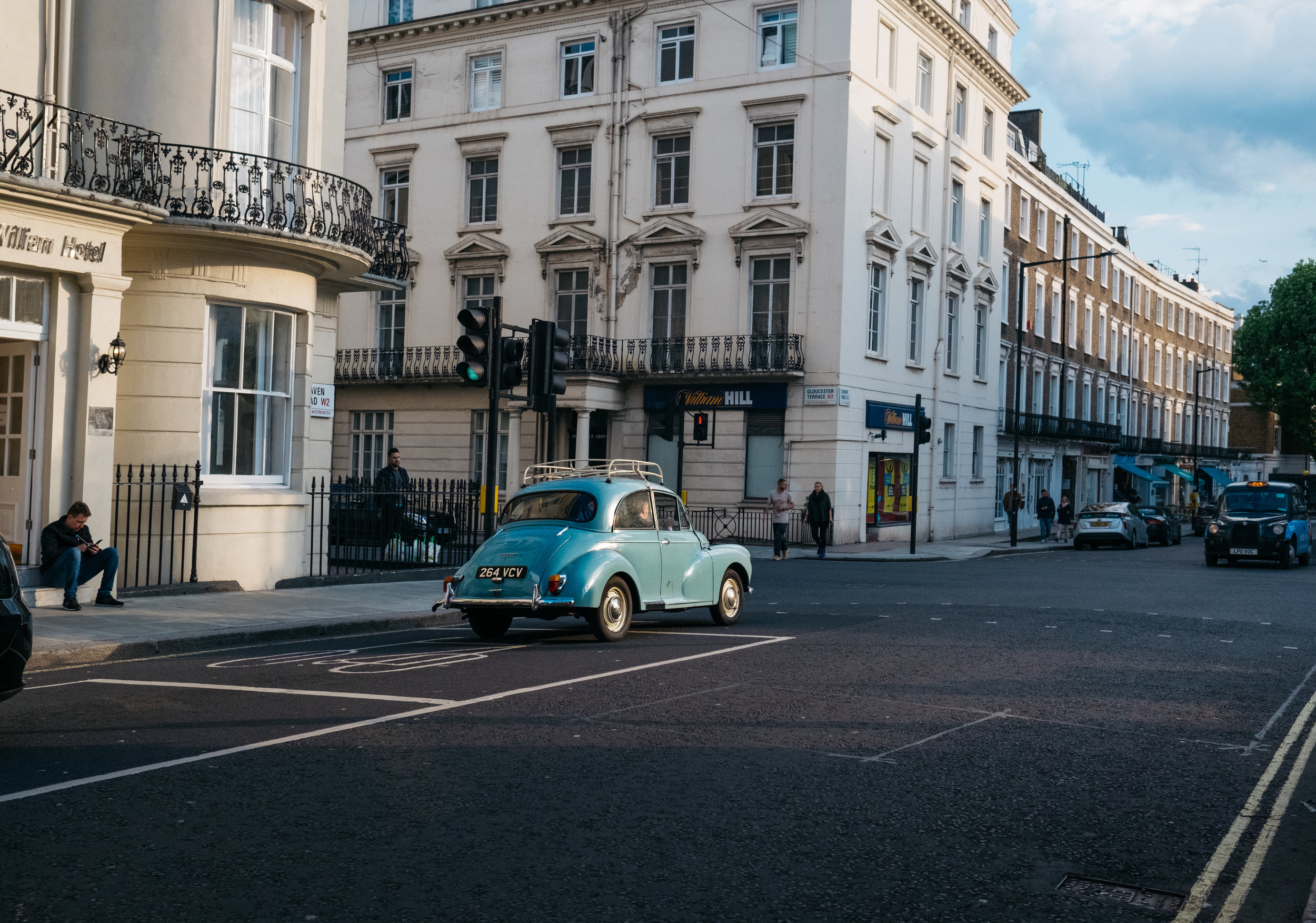
London Cab near Hyde Park
FEATURES:
The Fujifilm X-T20 comes with an 24mp APS-C X-Trans III sensor. Even though it is a cropped sensor I have surprisingly been able to look past that to find insanely sharp, detailed, and color-rich images come out of it. I’m actually blown away by how capable it is in competition with the full-frame market (not all scenarios, of course).
My favorite aspect about mirrorless bodies is that I am able to see a better example of the image that will be captured, how highlights and shadows look, as well color reproduction and depth of field – all through the back touch screen or electronic viewfinder. Mirrorless is the future and I’m excited to see what else major camera manufacturers will produce under this this technology.
The camera has two shutters to choose from; electronic or mechanical. There are advantages to using each. I particularly enjoy using the mechanical shutter because you still get to feel the vibration of the shutter clapping downward as the image is captured. The electronic shutter is fantastic for shooting under stealth conditions. I’ve been using this mode a lot while I am on sets, and it’s perfect during live takes where a sound person is running audio on an actors dialogue.
A few other key features of the X-T20 are:
Internal 4k Video capture @ 100Mbps (10 minutes per clip).
Automatic panoramic mode.
325 focusing point (91 in center 40% of screen are used with phase detection for fast and more precise focusing.
Various Film Simulation effects such as Acros 100, Classic Chrome, Provia, Velvia, Astia, and more.
14 fps raw image capture with the electronic shutter, and 8 fps raw image capture with the mechanical shutter.
Touch screen.
WiFi image transfer to smartphone
LENSES:
XF 23mm F1.4 R was my choice lens to start my Fuji X-Series journey with. I debated between this one and the XF 16mm F1.4. But the 23mm was a better choice since it is multipurpose and serves as a great portrait lens yet still wide enough for street, cityscape, and landscape photography. There is a less expensive 23mm F2 option but I knew I’d be happier with the F1.4 version for better color rendition, sharpness, and bokeh patterns.
DIGITAL TO FILM COMPARISION:
I never thought I’d witness it but the X-Trans CMOS sensors seem to produce colors and grain that most mimic that of film. I’m truly blown away by the side-by-side comparisons with my film rolls scanned through my Fuji Frontier SP3000 scanner. It makes sense, however, that Fujifilm would be the ones to best replicate the feel and texture of film with their digital sensors. They’ve had over 80 years of experience in manufacturing countless film stocks (Acros, Provia, 400H, etc.), film scanners, developer chemistry, and film cameras and lenses of their own.
FINAL THOUGHTS:
I think I will always have a spot reserved in my bag for an X-Series setup. Taking this camera on my trip to London was one of the most fun times I’ve had traveling with a digital camera. If Fujifilm ever decides to release a full-frame line of lenses and bodies I would be an instant convert…and it may just be enough to get me to sell off my beloved Fuji Frontier SP3000 film scanner and a few film cameras. I can’t believe that it’s taken me so many years to have finally tried out a Fujifilm X-Series camera. I am very excited to keep using their cameras and anything else they release years from now.
Panoramic Mode of the X-T20



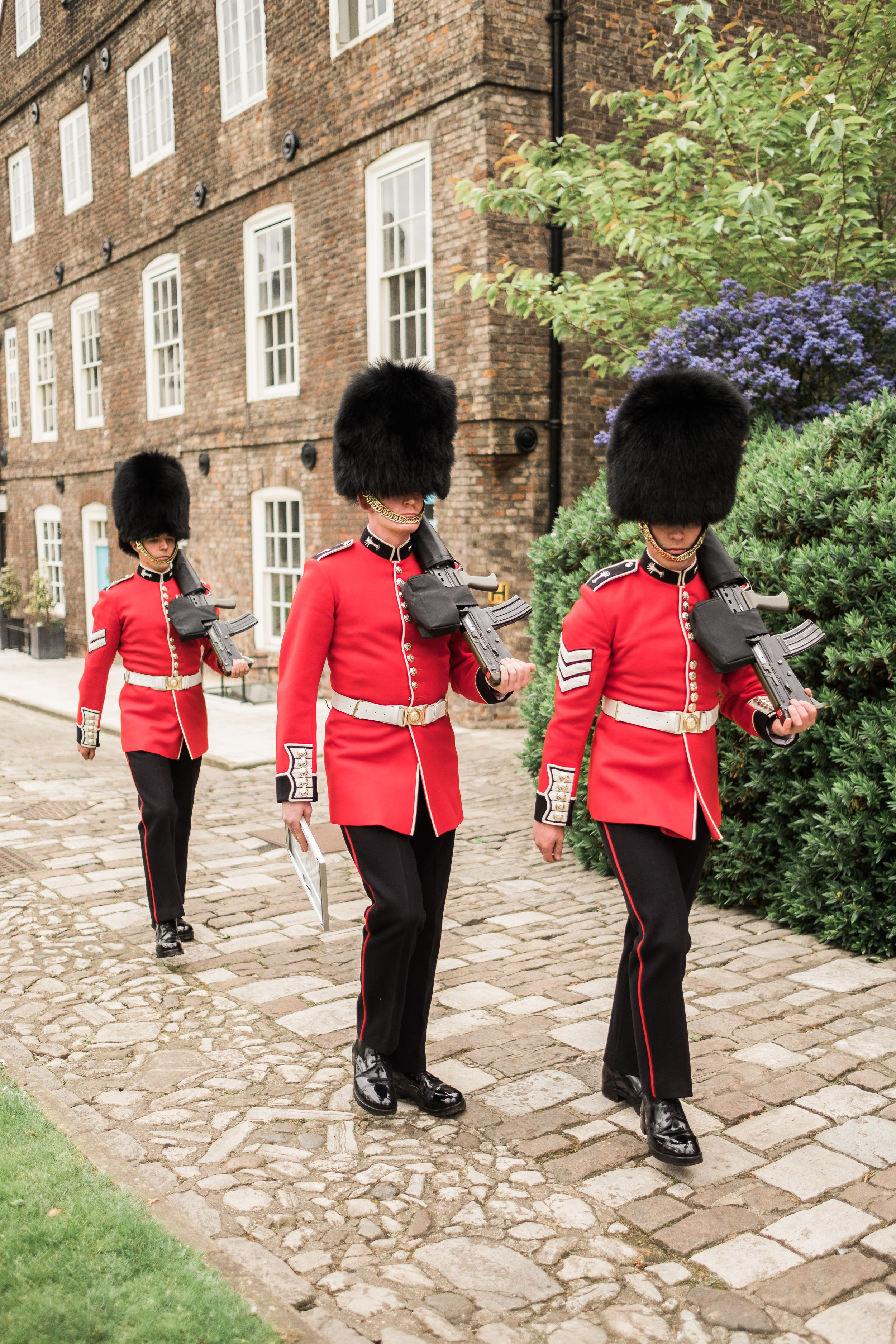
Pentax 6x7 MLU
The Pentax 6x7 is a completely manual medium format film camera. The experience shooting this camera is nothing short of a rush.

Pentax 6x7 MLU
HISTORY:
The Pentax 67 in its time was very popular amongst top editorial and fashion photographers such as Bruce Weber, Terence Donovan, and many many more. It’s picked up popularity again in recent years due to the low cost to jump into the medium format film system. Not only can older 6x7 bodies be found for inexpensive prices but so can the wide range of legendary lenses.

THE EXPERIENCE:
The Pentax 6x7 is a completely manual medium format film camera. The experience shooting this camera is nothing short of a rush. I’ve been shooting on mine since 2013 and I still can’t help but grin every time I hear the shutter clack down followed by the feel of advancing into the next frame. It’s magic, and I’ve never experienced anything else like it in a medium format camera .
The Pentax 6x7 is very reminiscent of a regular 35mm SLR. It even behaves just like a 35mm SLR with it’s TTL viewfinder (optional metered version available), shutter speed dial, manual frame advance lever and the location of the shutter release. It’s similarities are immediately obvious when you first hold one in your hands
The body is made of a strong and durable metal, and it’s clear that it’s able to withstand tough working conditions. Loading film into the body is straight forward and very simple to do but it does take some time to roll the film into the roller. Once you’ve done it a few times, you’ll easily have a body reloaded in under a minute.
LENSES:
The Pentax 6x7 had some of the best lenses developed for it. They are tack sharp, render wonderful color and detail, but even better, they can be purchased on the used market for next to nothing. Keep in mind that multiple versions of the same lenses were released over the years. The most notable changes between these versions are build quality, material, and coating on the lens glass.
PORTRAIT LENSES:
105mm F2.4: It’s no secret that the favorite lens to pair with the Pentax 6x7 is the 105mm F2.4 prime lens. This lens is one of the best I’ve used in film photography. It’s the perfect focal length for portraiture as it best resembles the look of a 50mm on a 35mm body. The color it renders is on par with the legendary Zeiss T* coated line. It’s amazingly sharp and they can be found on the used market for just a couple hundred dollars. If you’re considering picking up a Pentax 6x7, then this lens is a must have in your bag.
PRICE: $250 - $350
WIDE ANGLE LENSES:
55mm F4: As for wide angle lenses, you have some options here. There is a 45mm F3.5 and a 55mm F4 that most shooters will choose from. I ended up going with the 55mm F4 as I heard it performed better than the 45mm in terms of barrel distortion, hazing and artifacts. But mileage may vary for each user. I’ve been extremely happy with my 55mm and don’t plan on using anything else any time soon. It reminds me of the first time that I shot full-frame where the subjects in the photograph just seemed to pop out of the frame. Almost in a 3 dimensional way.
PRICE: $150 - $250
TELEPHOTO LENSES:
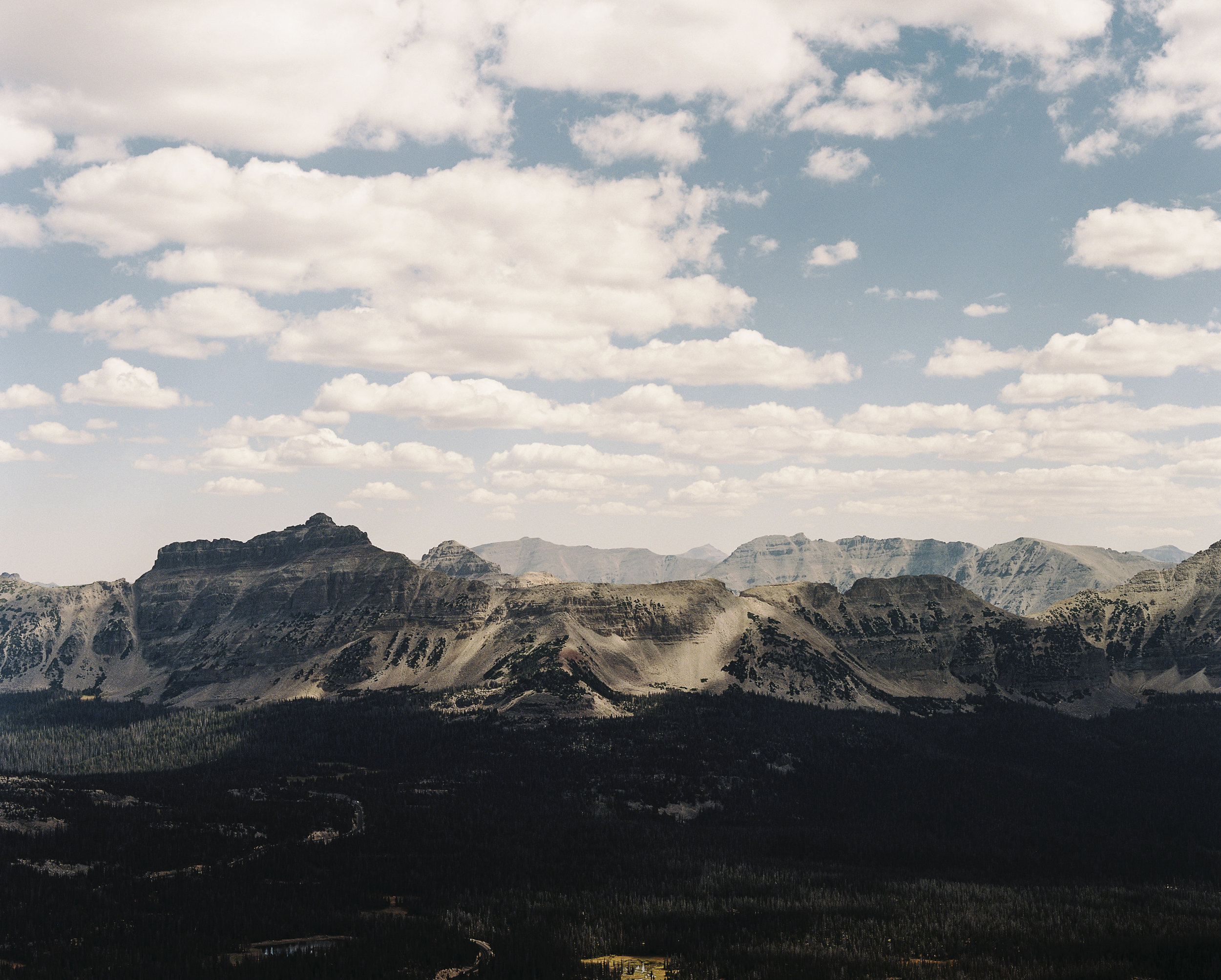
200mm F4: For those who shoot a lot of landscape work, consider the 200mm F4. I’ve used this lens extensively when I want tighter framing of a mountain range. Color and sharpness is just as fantastic as the 55mm and 105mm.
PRICE: $50 - $100.
FILM:
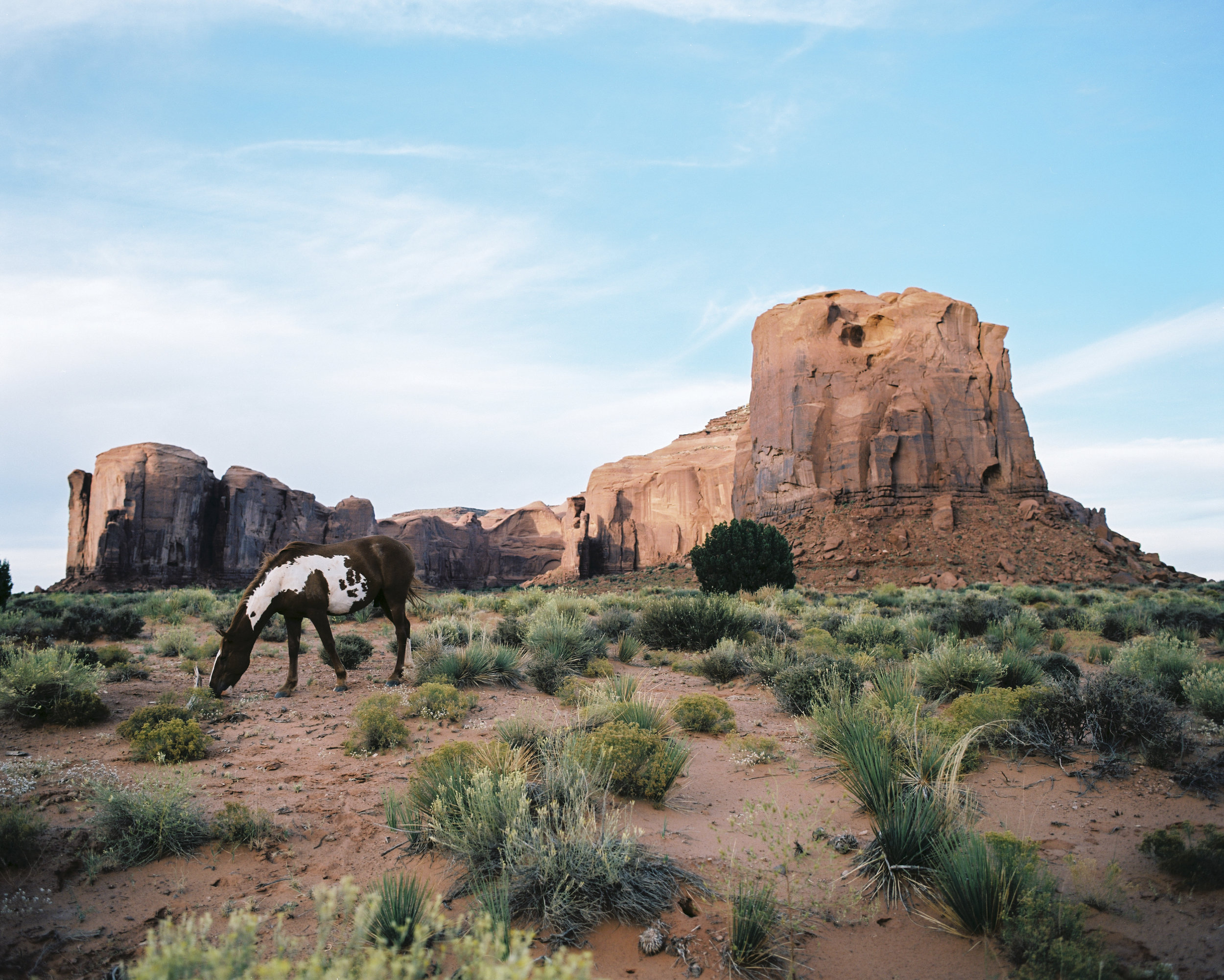
The Pentax 6x7 shoots 120/220 format film and limits you to either 10 or 20 shots. That hasn’t been any issue for me as I cherish and plan for each shot I execute. Trust me, you’ll love all the detail that each shot captures. It’s fantastic.
ACCESSORIES:
Waist-level viewfinder: for landscape photography and semi-discrete street shooting, and it’s nice to have an idea of what the final frame will look like as if you were looking at a print just feet away from your face.
Shutter release cable: for slower shutter speeds and best camera stabilization.
Wooden handle: For better grip and handling, but I feel it just gets in the way. It’s eye-catching out in public though.
Tube extension set #1, #2, #3, & #4: for closer portraits and macro photography.
FINAL THOUGHTS
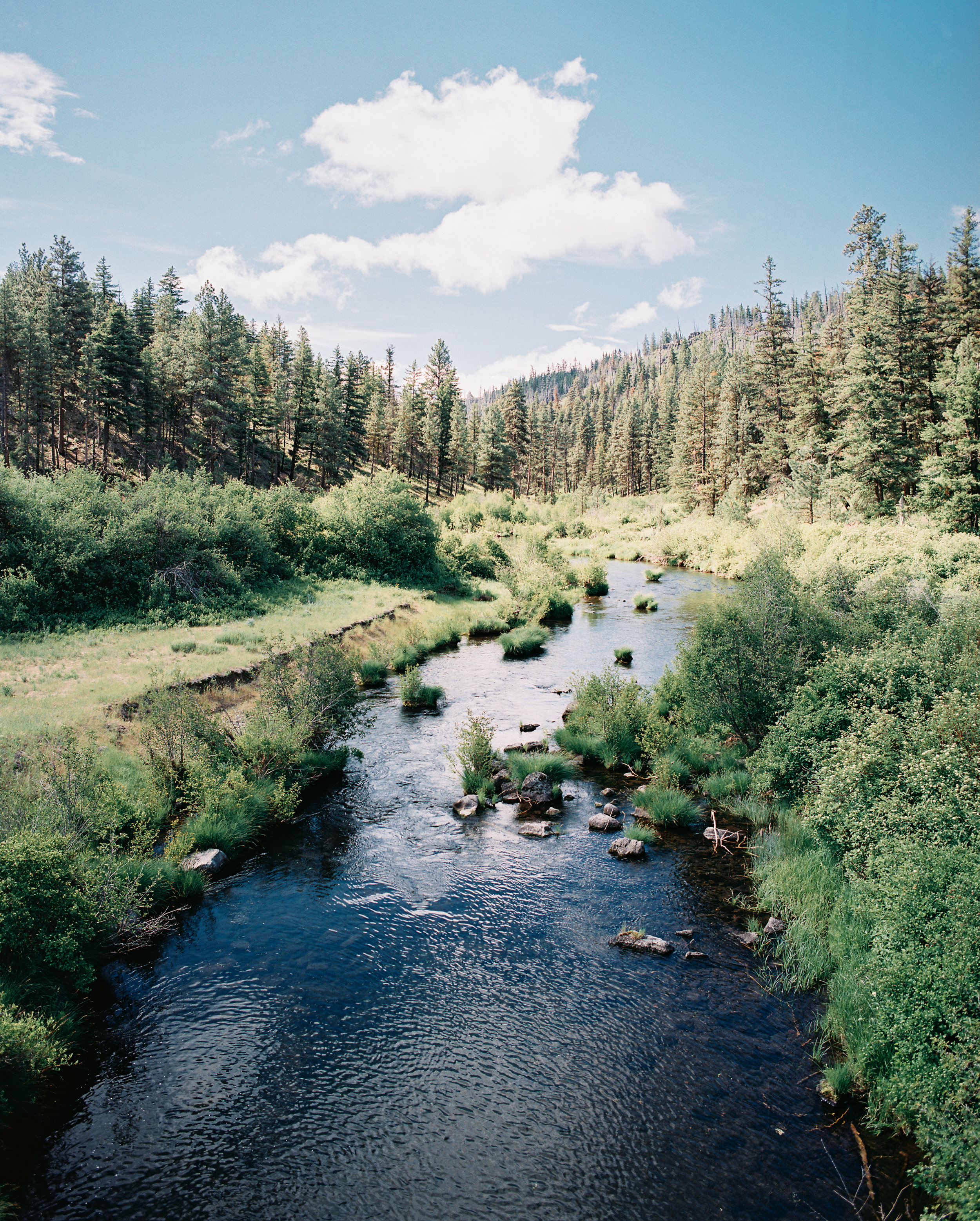
I’ve yet to experiment with any other 6x7 system, but I haven’t really felt the need to. The Pentax 6x7 system has satisfied the majority of my medium format itches. If there was another system that I’d consider looking into, it would be the Plaubel Makina 67 — but the prices for that camera are way more than I’d like to pay for in 2019. The Pentax 6x7 is a fantastic medium format camera with a wide range of beautiful lenses, simple and straightforward operation, easy loading and unloading of film, and just feels empowering to shoot with. It’s lifespan over the decades has proved that it is durable and will stand the test of time with very little maintenance needed. The only real con to shooting the Pentax 6x7 is that it’s bulky and heavy so be prepared to carry its weight around on that mountain hike or city walk you plan for…but the resulting images are always going to be worth it. Enjoy a few more shots below!
Pentax 6x7 MLU
55mm F4 @5.6
Kodak Portra 400

Pentax 6x7 MLU
200mm F4 @ 8
Kodak Portra 400

Pentax 6x7 MLU
200mm F4 @ 8
Kodak Portra 400
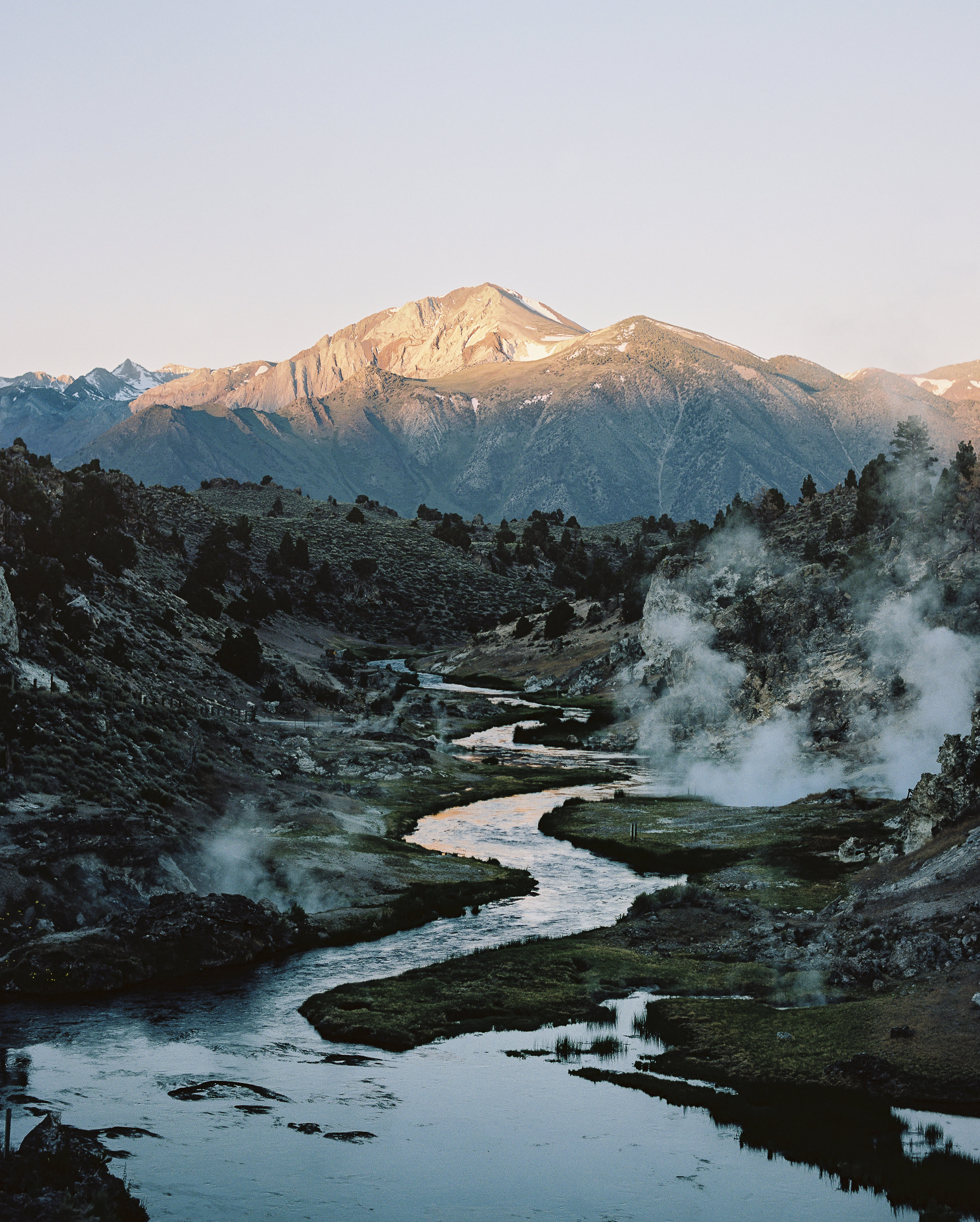
Pentax 6x7 MLU
105mm F2.4 @ 5.6
Kodak Portra 400
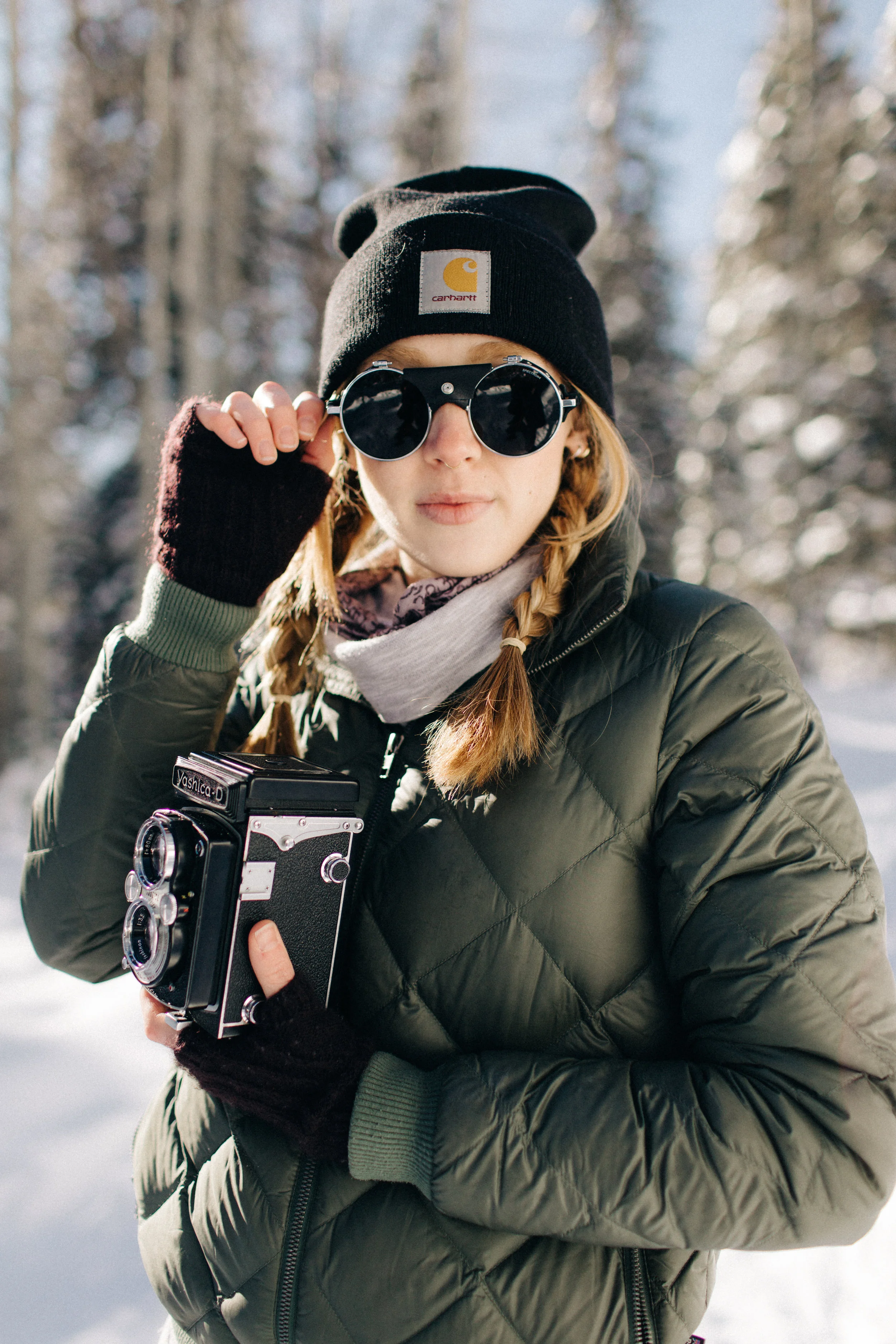
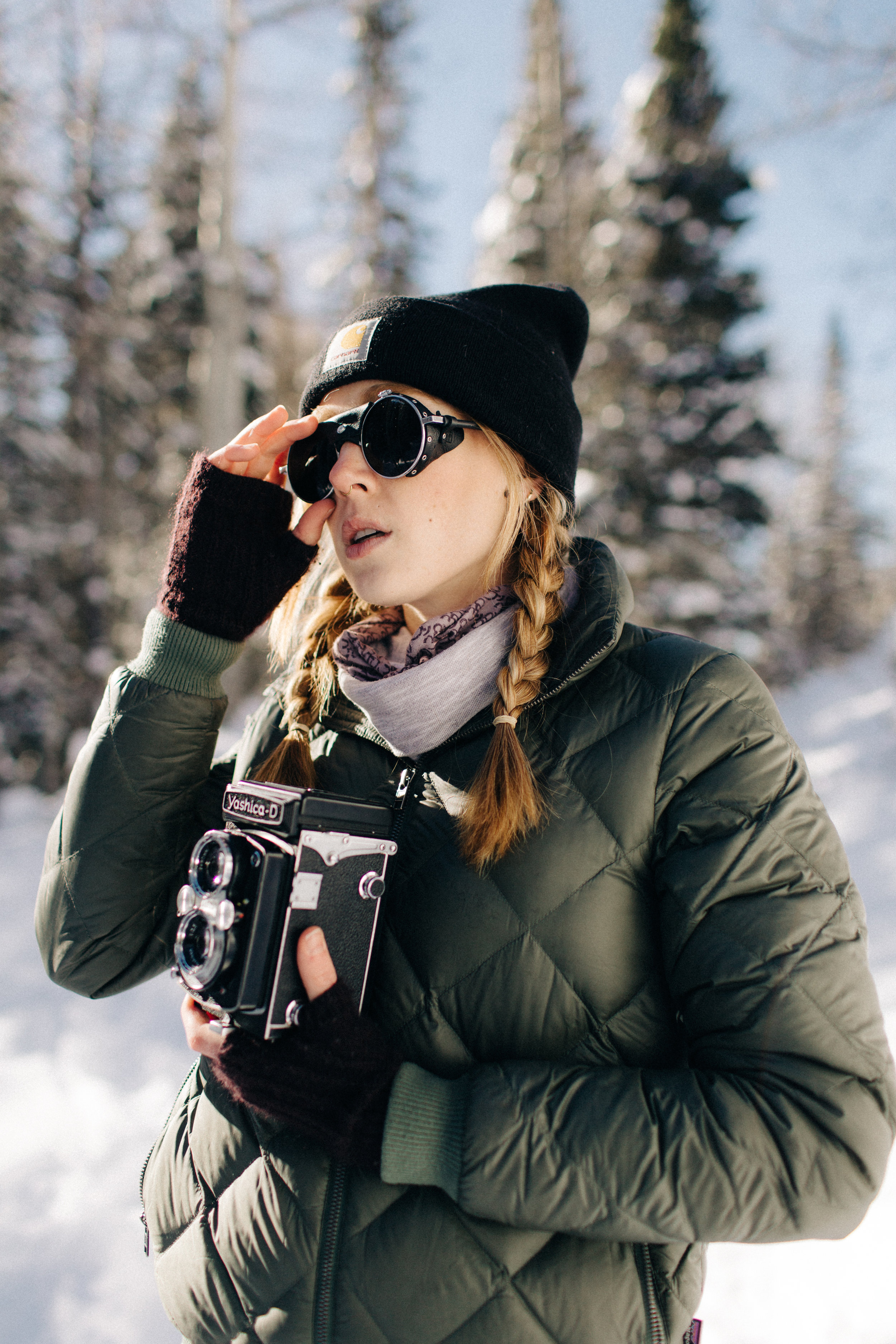
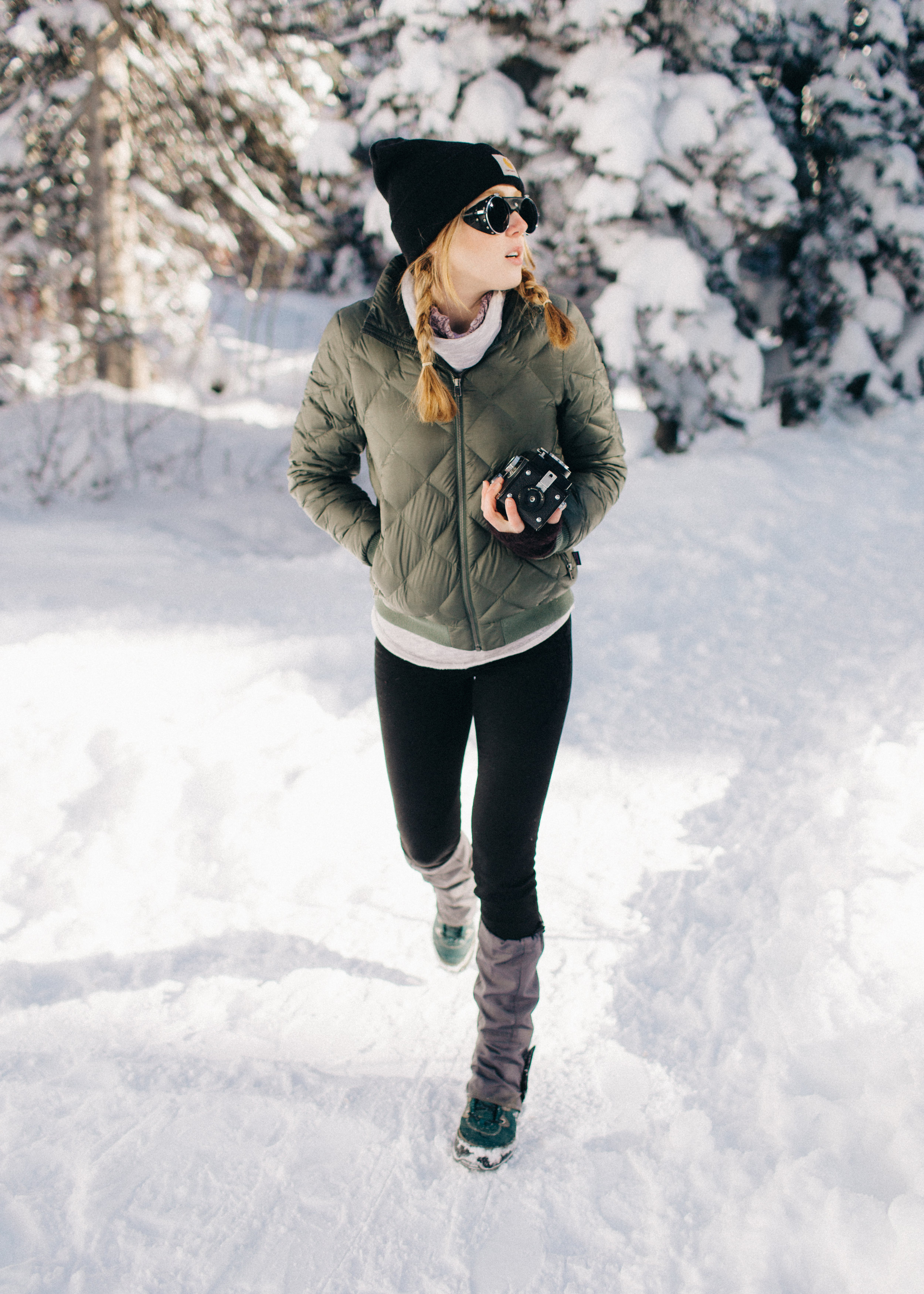
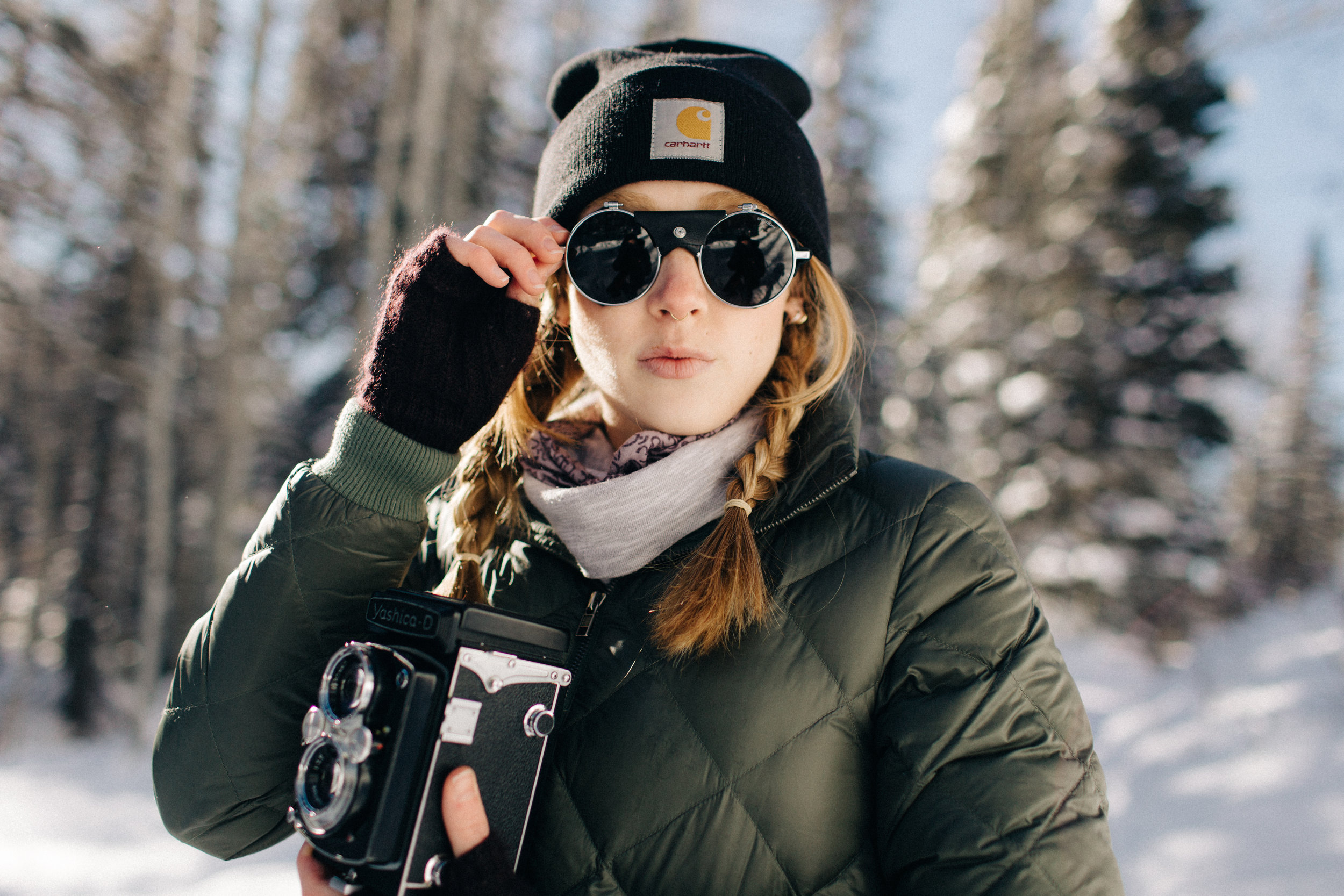
Julbo Eyewear
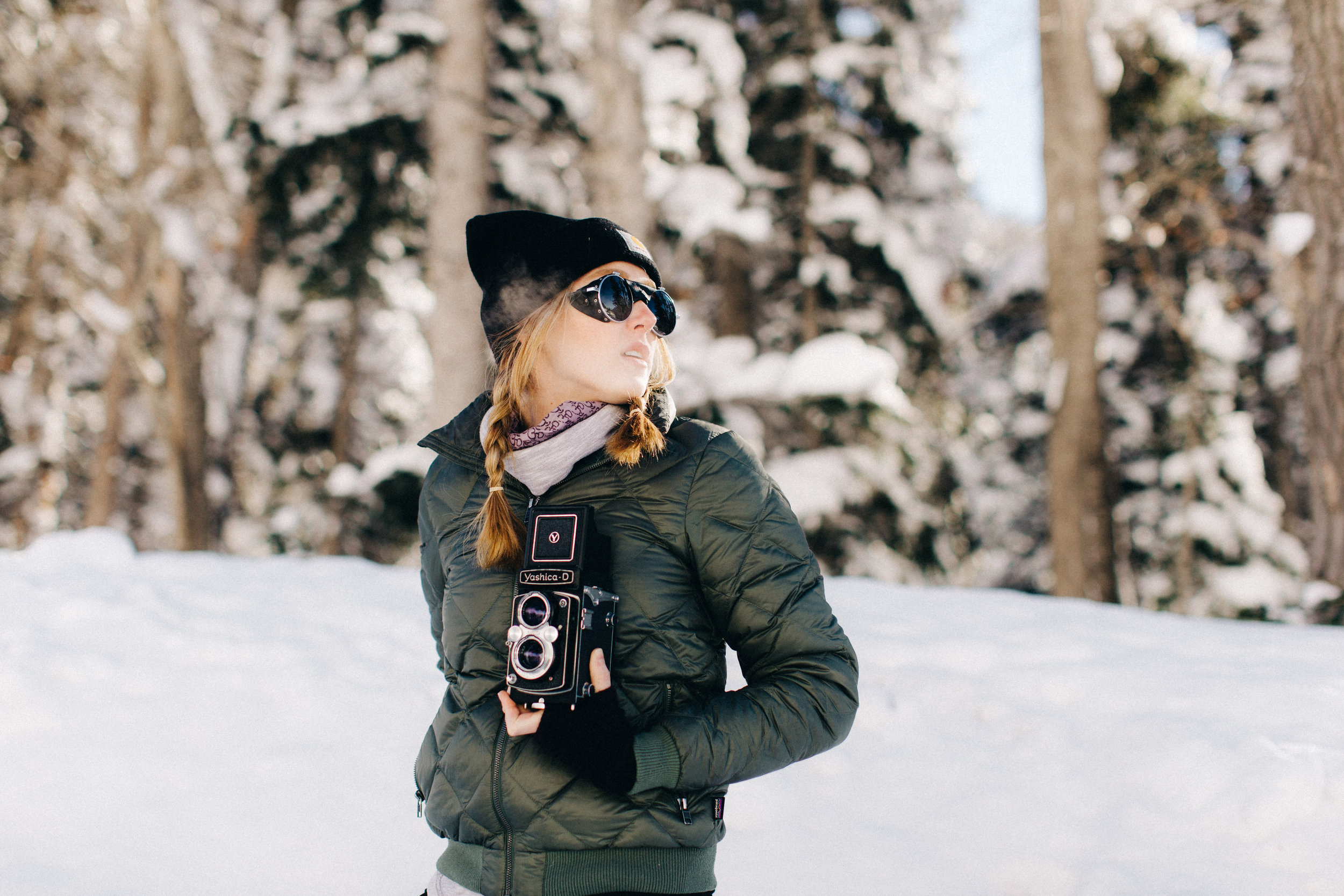
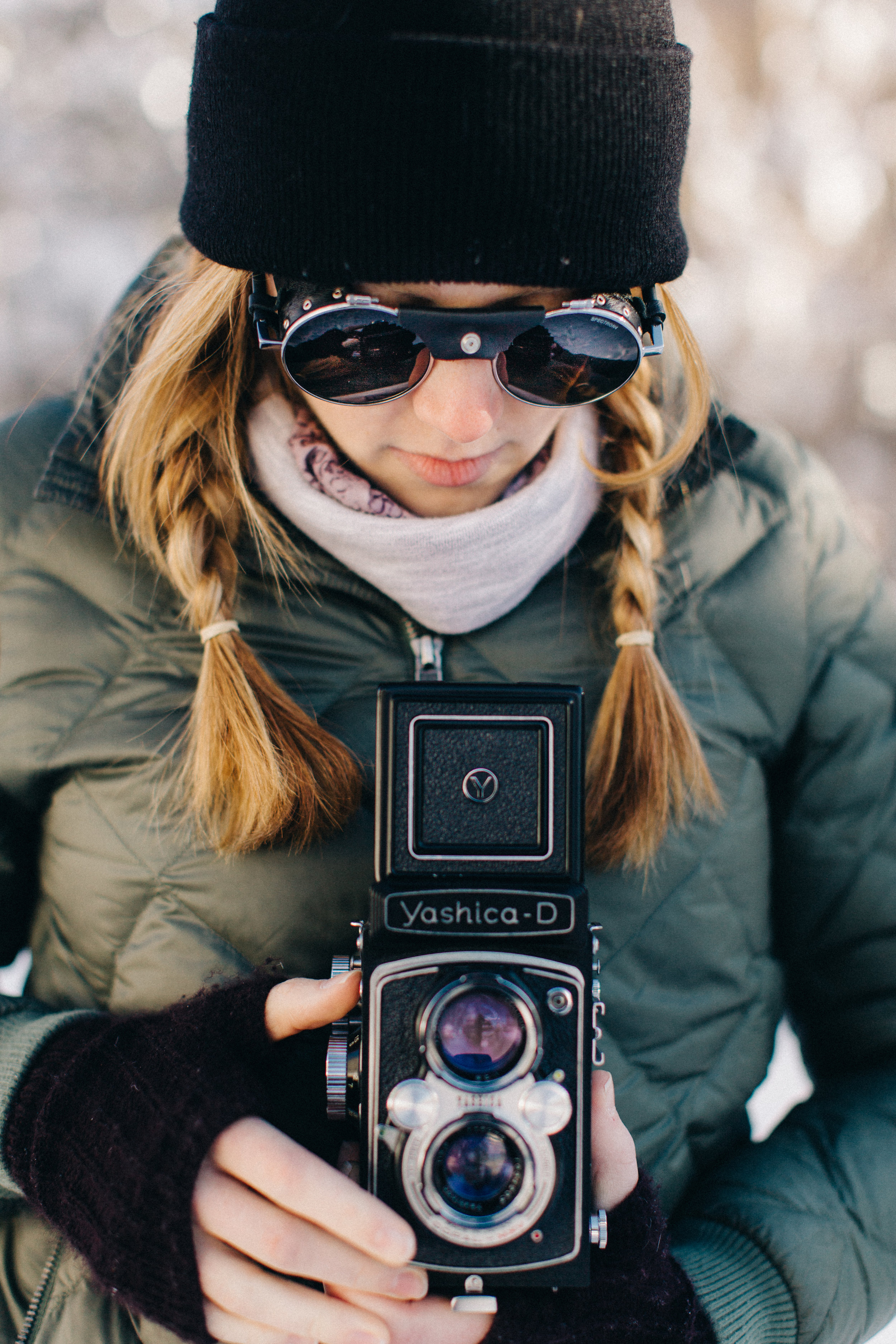
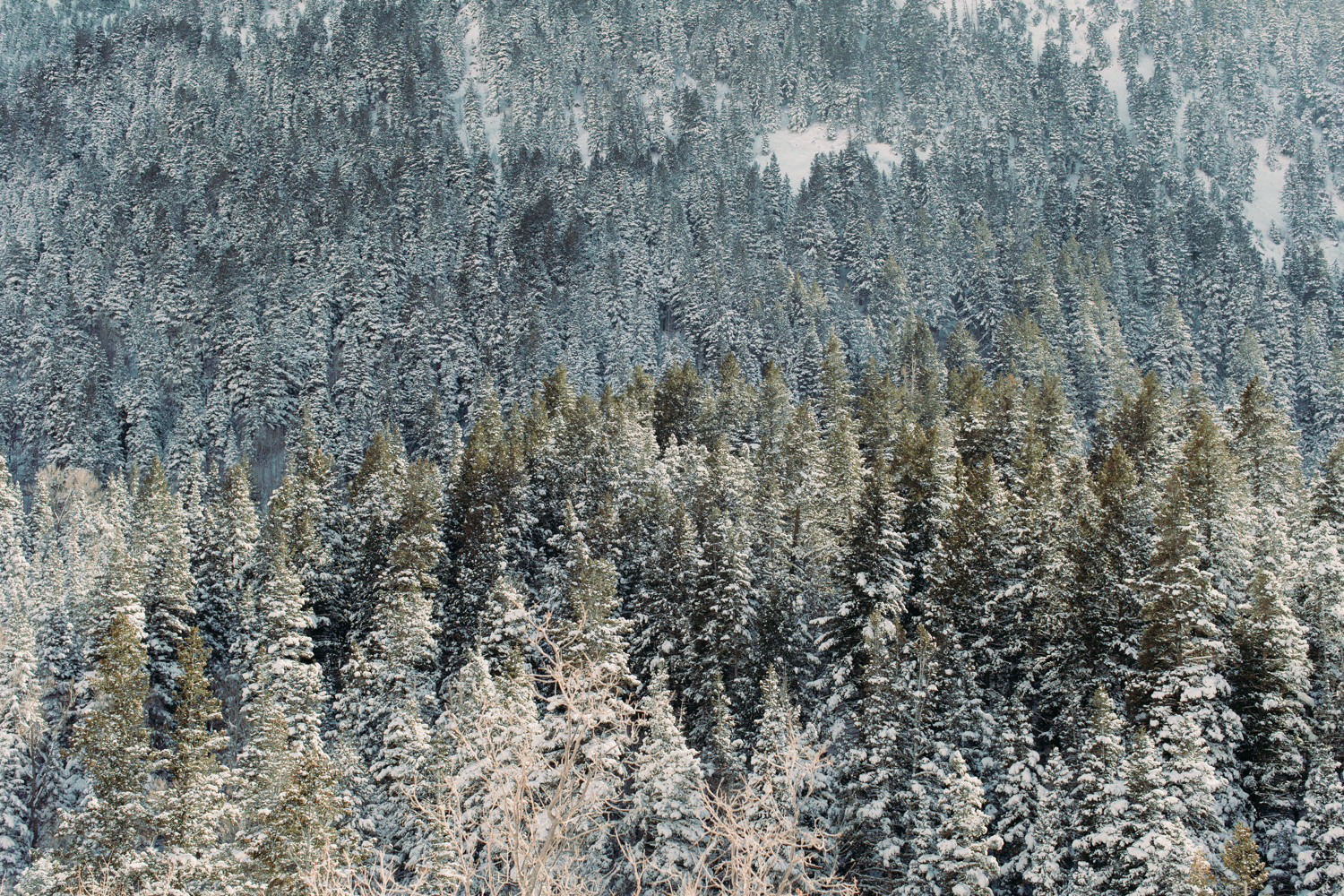
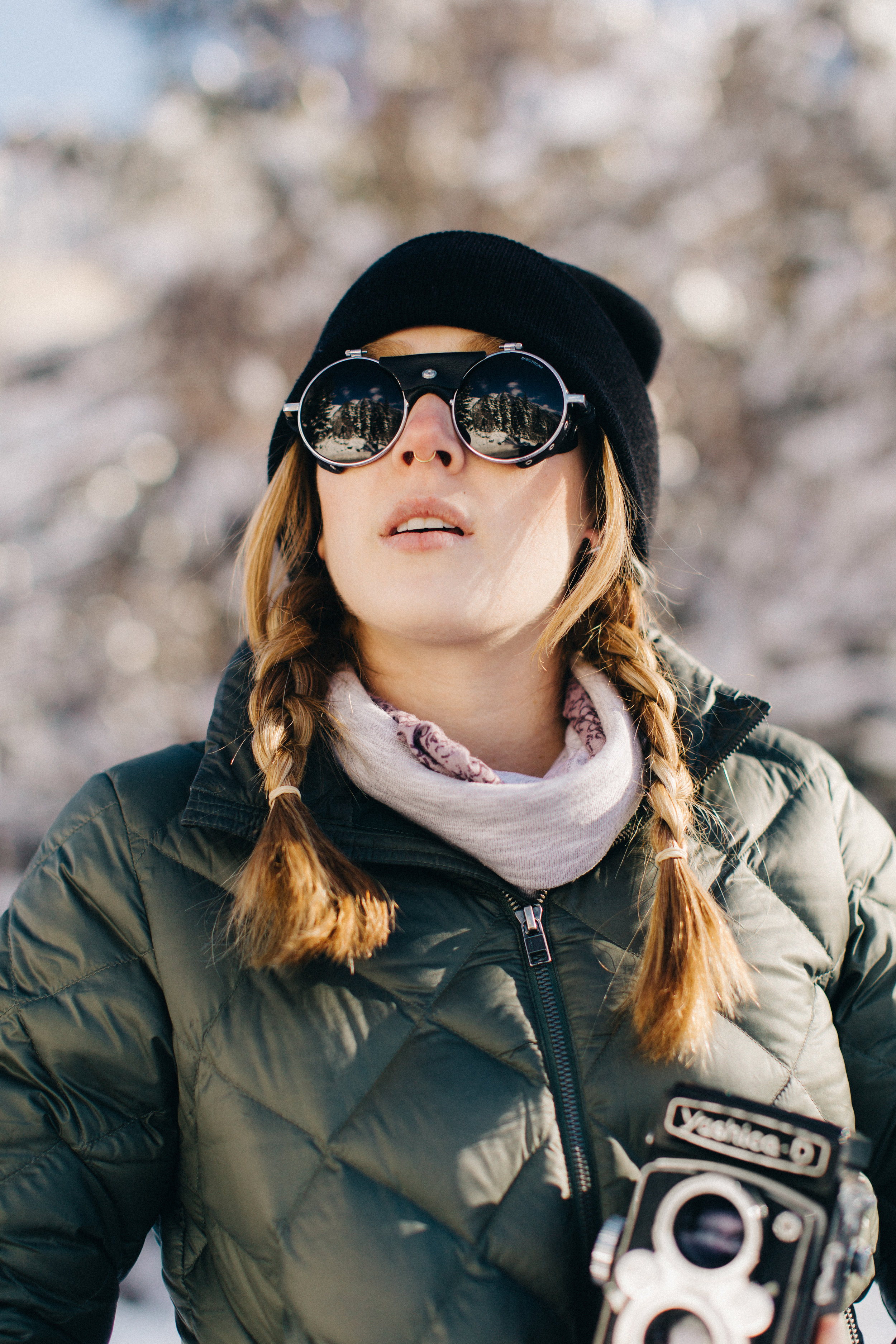
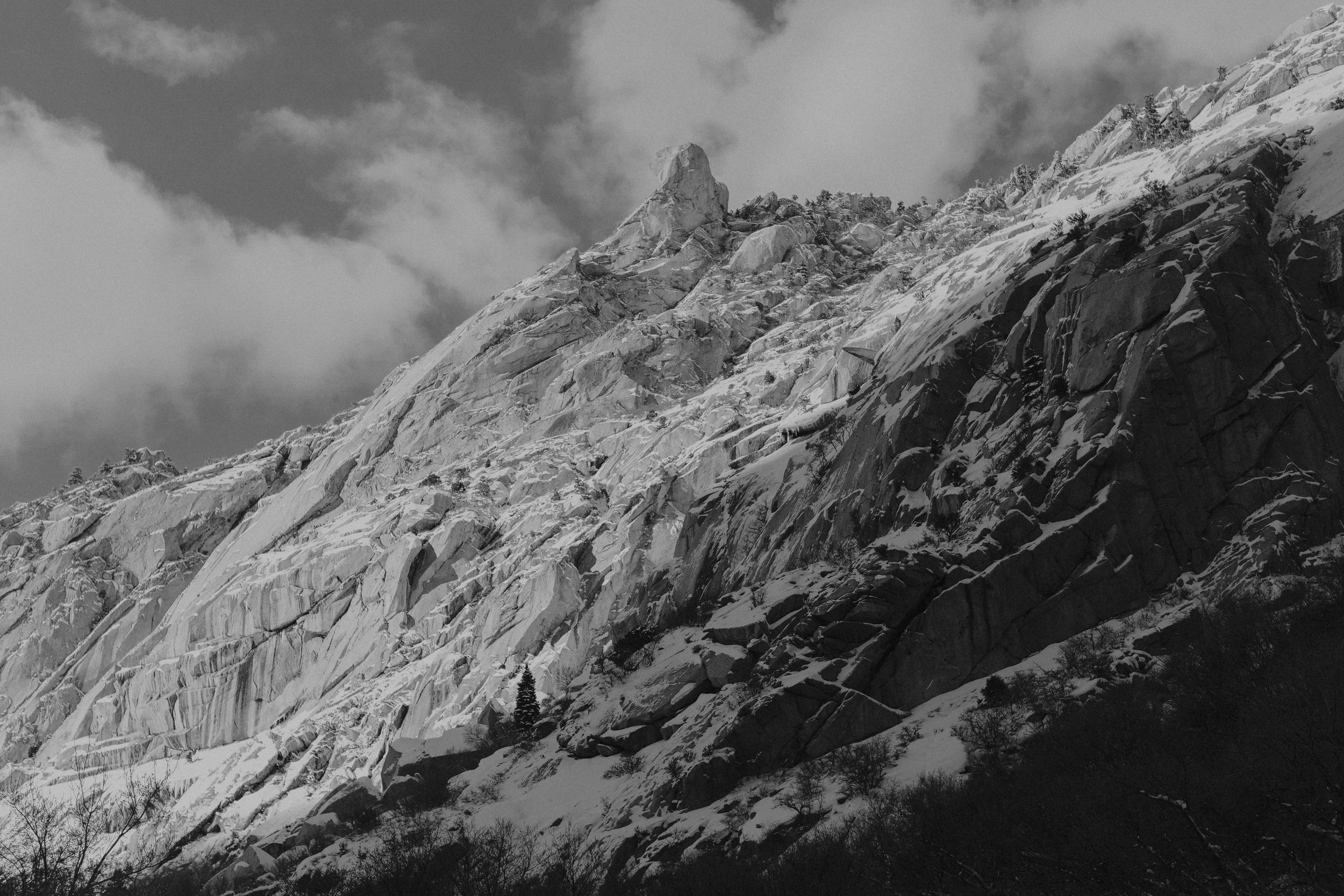
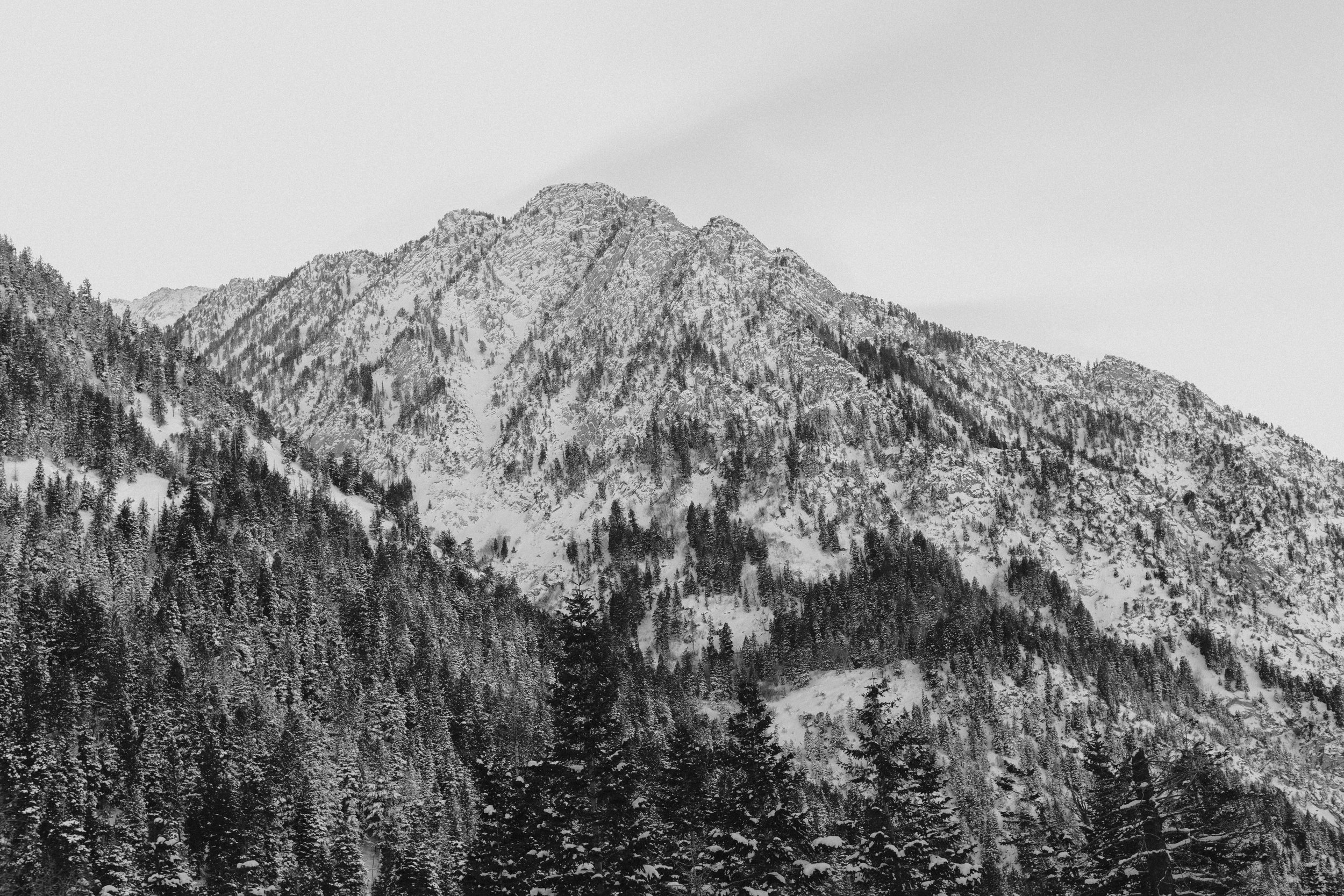
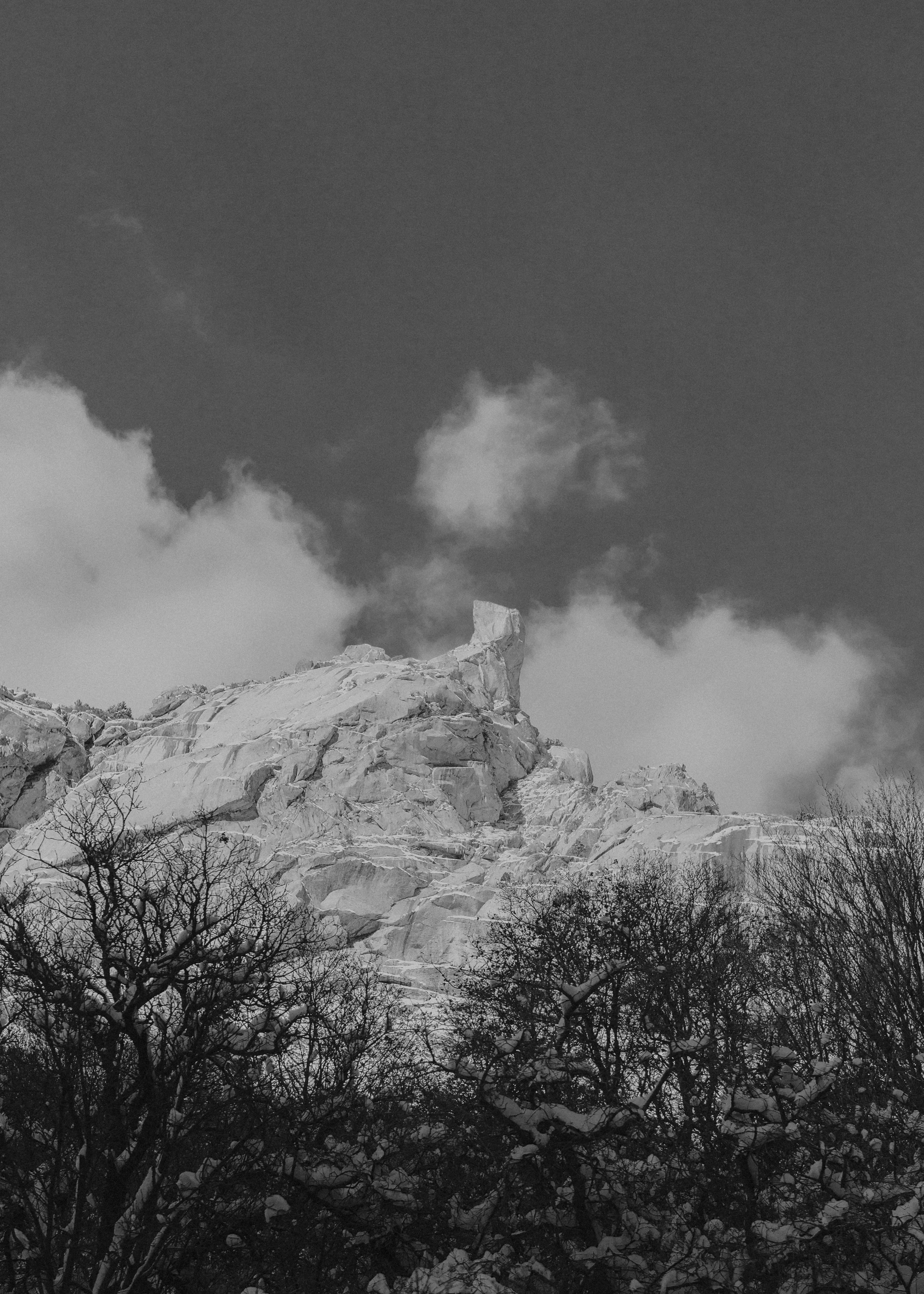
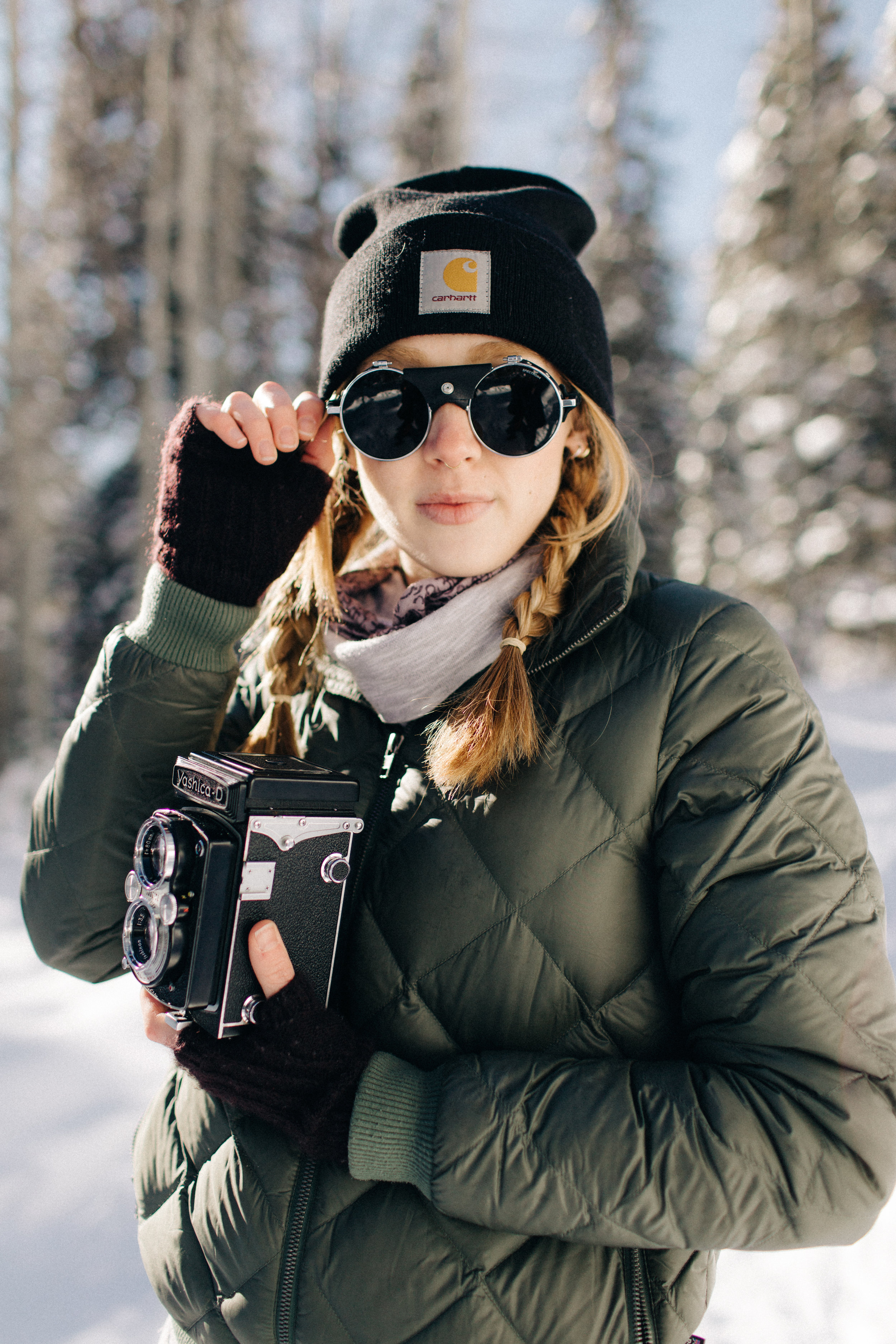
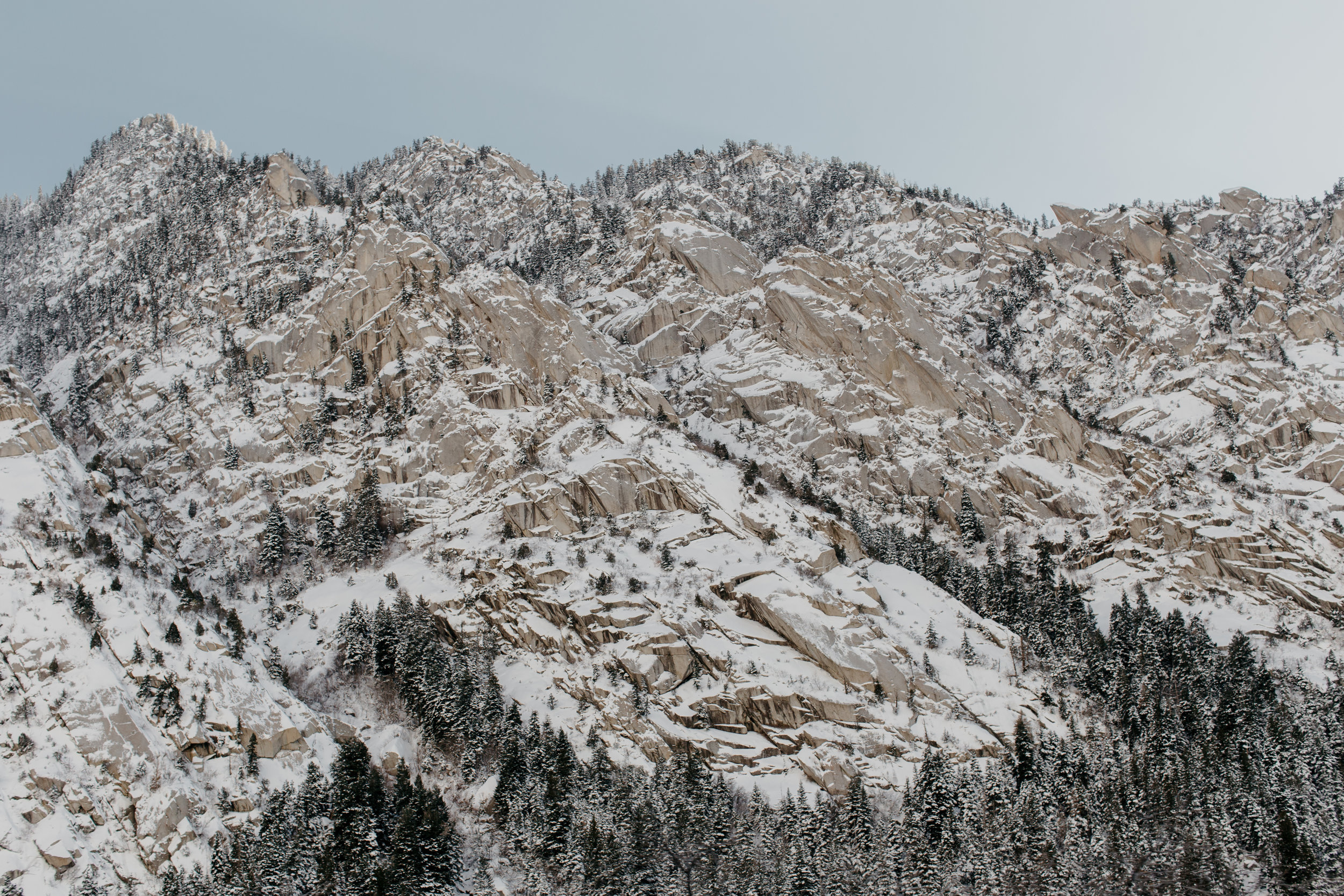
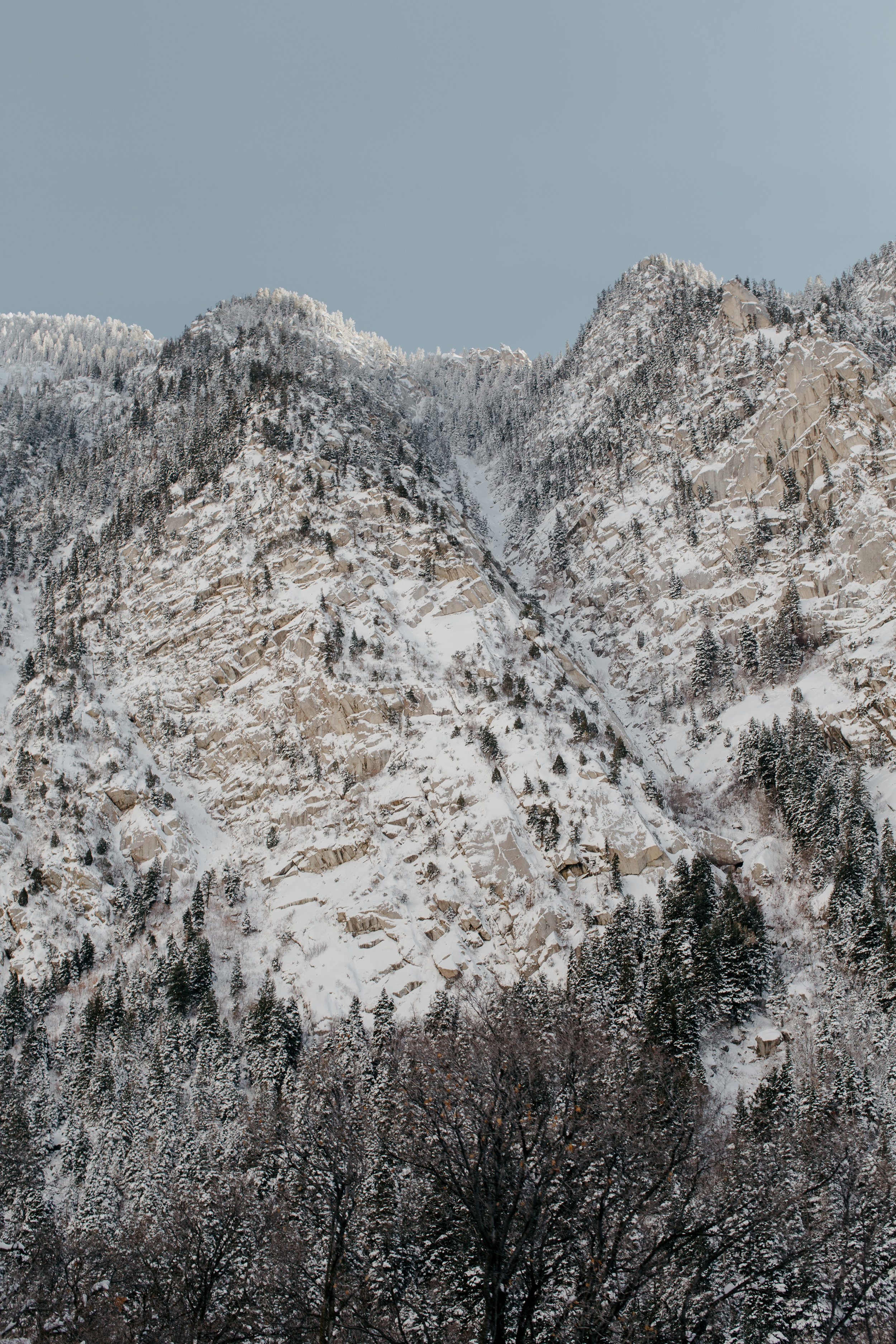
We took a drive up through the Wasatch Mountains of Salt Lake City to photograph the fresh snow that had just landed the night prior. Along the way, we photographed the Julbo Vermont Classic mountaineer glasses with Spectron 4 glass. I had never experienced eyewear that was able to block out 95% of visible light AND STILL be able to see clearly.
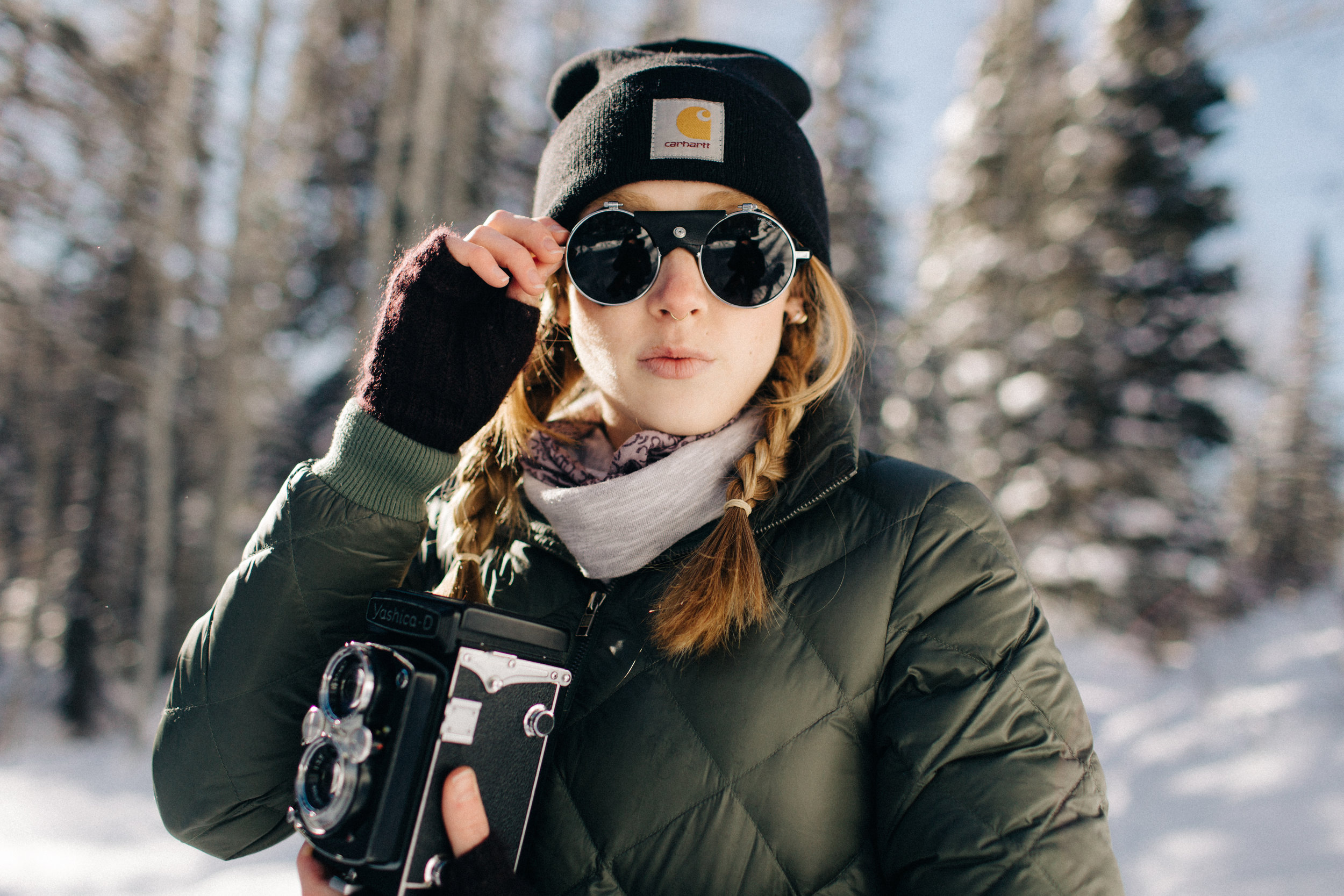
Julbo Eyewear
We took a drive up through the Wasatch Mountains of Salt Lake City to photograph the fresh snow that had just landed the night prior. Along the way, we photographed the Julbo Vermont Classic mountaineer glasses with Spectron 4 glass. I had never experienced eyewear that was able to block out 95% of visible light AND STILL be able to see clearly. I thought that only polarized glass was capable of this. Now I can only imagine what polarized Spectron 4 glass would look and feel like to the eye. I highly recommend picking up a pair of these. Give Julbo Eyewear a visit at https://www.julbo.com.
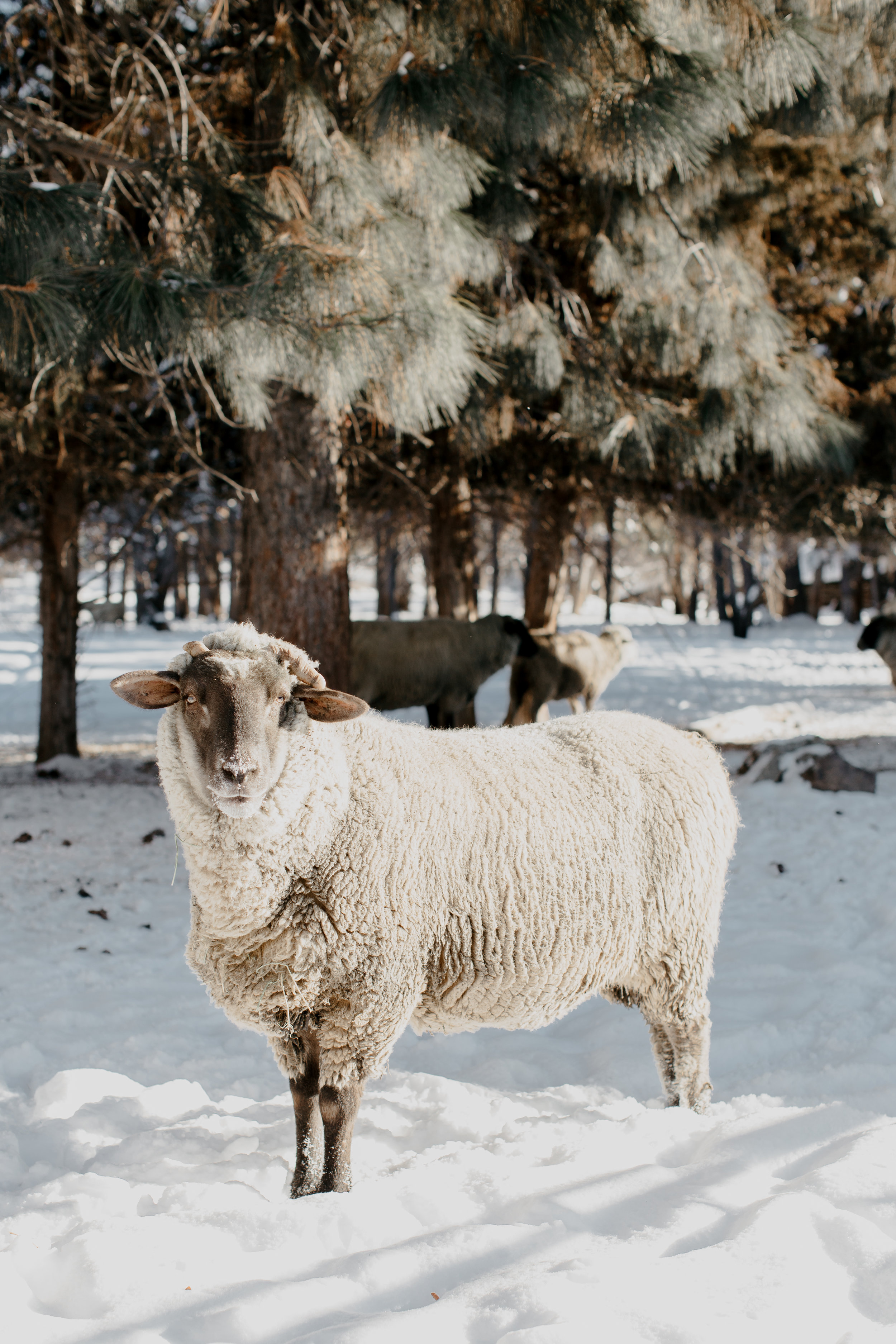
Enjoy our photographs from the trip.

Search Posts
-
2018
- Mar 31, 2018 Contax T3 - Review
- Apr 20, 2018 Hexar AF - Review
- Sep 9, 2018 Olympus Stylus Epic vs Contax T3
-
2019
- Jan 9, 2019 Julbo Eyewear
- May 15, 2019 Pentax 6x7 MLU
- May 15, 2019 Fuji XT20 - Review
- Jun 15, 2019 London on Film
- Jul 22, 2019 Kodak Pro Image 100 Review! Now available in the USA!
- 2020